


Pilot Courses, Learning Environment Pilots
Pilot Courses, Learning Environment Pilots
Pilot courses and learning environment pilots – summary
Attachments - kursy pilotażowe w ramach projektu SUMED
As part of the SUMED – Sustainable Multidimensional Media Contents project, the partner universities and the project leader prepared a total of 18 courses incorporating sustainability-related content in the media ecosystem, designed for students of journalism and media-related programmes. These included 11 pilot courses comprising lectures, workshops and classes, and 7 learning environment pilots, which assume that students work in the natural media environment. Around 500 students participated in these courses. The courses were delivered with the participation of experts from the media market.
All partner institutions prepared courses: the University of Gdańsk (UG), Turku University of Applied Sciences (Turku UAS), Universitat Politècnica de València (UPV), University of Malta (UM) and the project leader – INNOCAMP.pl. The table below presents the courses implemented within the SUMED project.
|
Name |
ORGANISATION |
N Teachers |
N Students |
N working life representatives |
|
Media space - learning environment pilot |
Turku UAS |
2 |
26 |
4 |
|
Podhouse learning environment pilot |
Turku UAS |
2 |
20 |
2 |
|
Responsible media |
Turku UAS |
2 |
16 |
7 |
|
Leading Teams in media |
Turku UAS |
2 |
21 |
0 |
|
Organisational Change in media organisations |
Turku UAS |
|
|
|
|
Sustainability and market -driven journalism - learning environment pilot |
UG |
2 |
10 |
2 |
|
student media - journalistic work in a friendly environment: learning environment pilot |
UG |
4 |
10 |
2 |
|
Tabloids and tabloidizations - pilot course |
UG |
1 |
23 |
0 |
|
Media relations - pilot course |
UG |
1 |
32 |
1 |
|
Project seminar - pilot course |
UG |
1 |
9 |
2 |
|
Public relations - pilot course |
UG |
1 |
21 |
0 |
|
Sustainable media - the working life representatives' perspective |
INNOCAMP |
1 |
22 |
22 |
|
Content House - learning environment pilot |
UM |
1 |
40 |
1 |
|
Videocafe - learning environment pilot |
UM |
1 |
40 |
1 |
|
Video Production – pilot course |
UM |
4 |
44 |
0 |
|
Magazine & Digital Publishing – pilot course |
UM |
1 |
40 |
0 |
|
Learning about sustainability communication with design students |
VPV |
1 |
30 |
|
|
Communication as a cornerstone of museum sustainability |
VPV |
1 |
66 |
|
Source: Turku UAS report: WP4
The University of Gdańsk (Institute of Media, Journalism and Social Communication, UG – IMDIKS UG) prepared a portfolio of six courses (four pilot courses and two learning environment pilots) for students of the Journalism and Social Communication programme, incorporating sustainability-related content. They were, and continue to be, delivered by members of the UG project team: Dr Beata Czechowska-Derkacz and Dr Dominik Chomik. Other academics from the Institute of Media, Journalism and Social Communication also joined the initiative: Dr Grzegorz Kapuściński, Dr Monika Białek and Dr Dominika Rafalska.
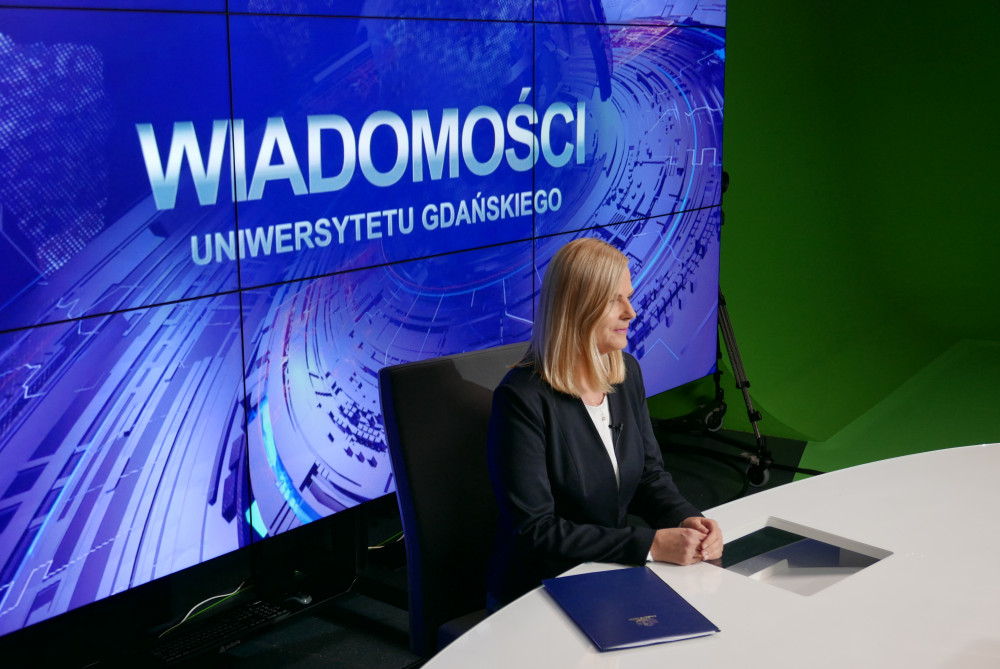
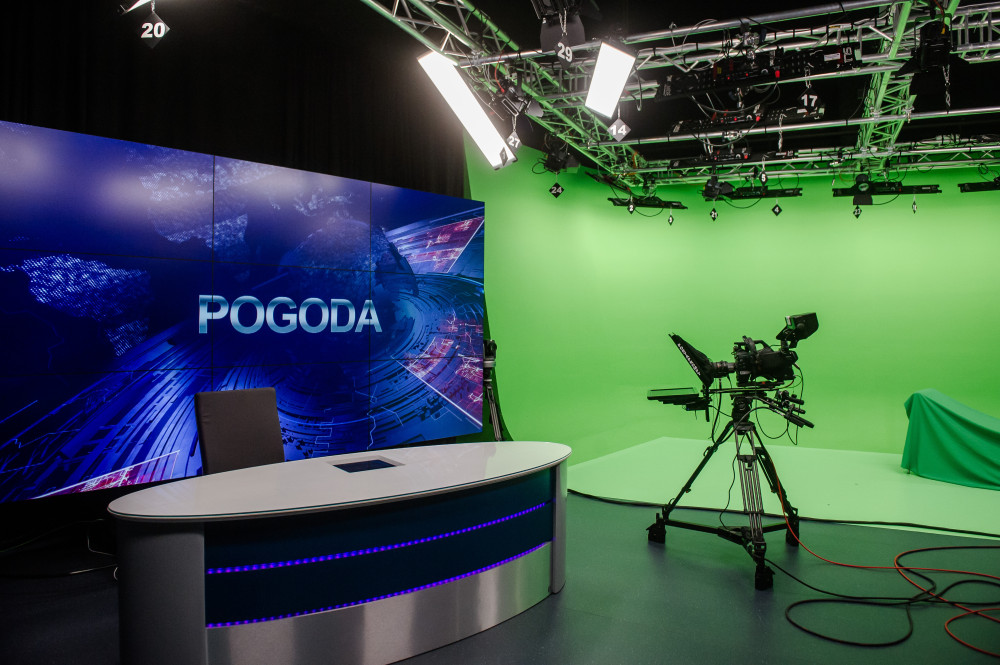
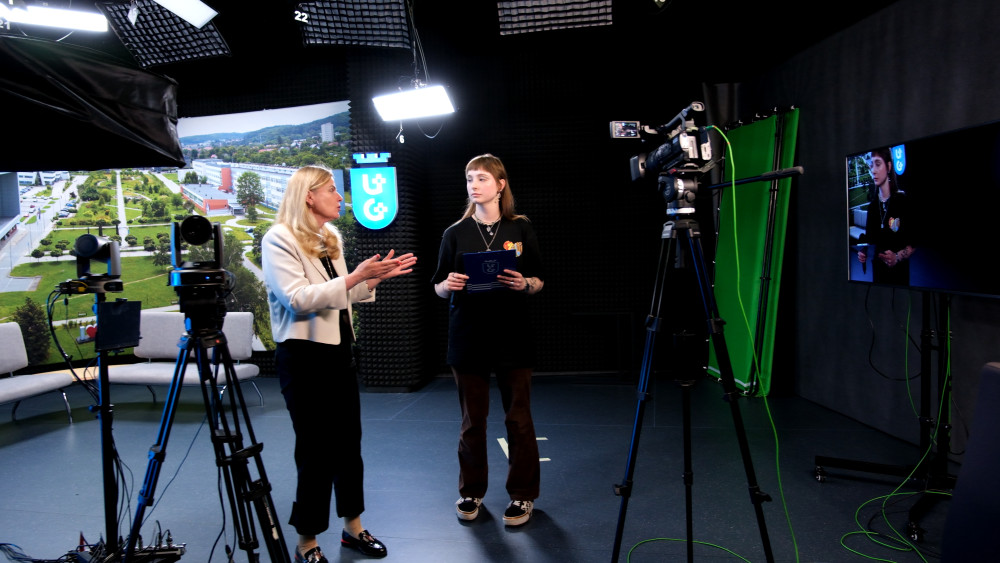
Dr Beata Czechowska-Derkacz developed the Project Seminar and the Media Relations workshop (pilot courses). The course Student Media in a Friendly Environment (learning environment pilot) was taught in cooperation with Dr Monika Białek and Dr Dominika Rafalska. One of the assumptions of the seminar is that students address environmental protection, issues important from the perspective of social development, and journalistic ethics in a responsible way. The Media Relations workshop, delivered using the university’s extensive studio facilities, is aimed at developing the skills needed to solve problems and perform tasks faced by PR specialists, with an emphasis on wellbeing at work and proper relations with the media environment. The course Student Media in a Friendly Environment involved students in practical tasks in the media and in providing media coverage for conferences held at the University of Gdańsk.
Dr Dominik Chomik has delivered and continues to deliver two courses: the lecture Tabloids and Tabloidization (pilot course) and the course cycle Sustainable Development and Market-oriented Journalism (learning environment pilot). The courses focus not only on promoting sustainability-related content, but also on the university’s monitoring and activating role in this area. The lecture Tabloids and Tabloidization presents negative phenomena in a media market primarily oriented towards profit and promoting negative stereotypes of interpersonal relations, while the course block Sustainable Development and Market-oriented Journalism serves as a forum for students to exchange experiences after their internships in the media.
Dr Grzegorz Kapuściński prepared the Public Relations classes (pilot course), designed to use PR activities to promote and report on the activities of enterprises and institutions operating in line with the principles of sustainable development.
It is worth adding that in subsequent cycles – the academic years 2024/2025 and 2025/2026 – in addition to the courses discussed above, the curriculum of the Journalism and Social Communication programme at the University of Gdańsk has included the lecture The Work of a Press Officer: Practice, Ethics, Sustainable Development. The syllabus of this lecture covers sustainability in the media, and the course is taught on the basis of the experience gained during the implementation of the SUMED project. The course is currently delivered by Dr Beata Czechowska-Derkacz.
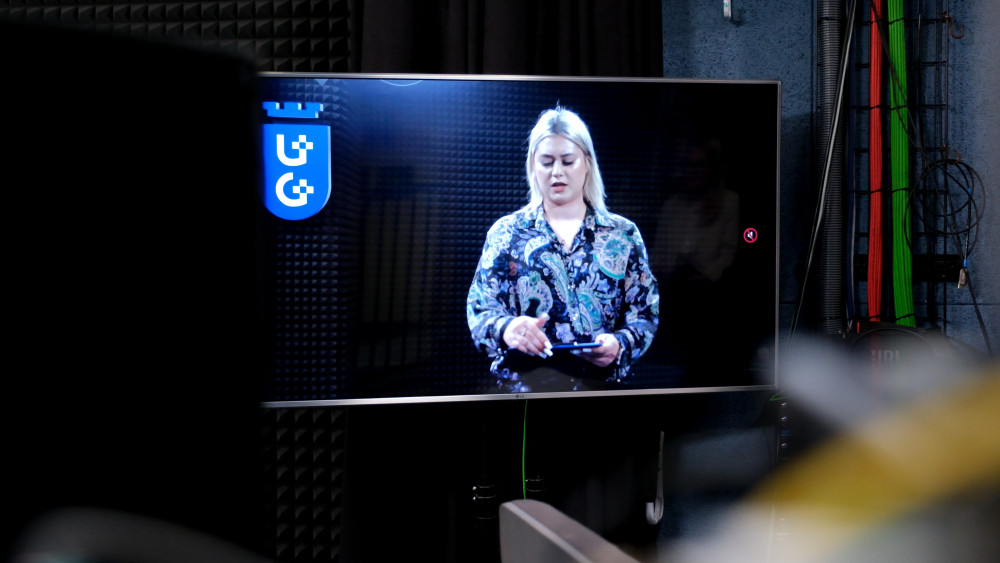
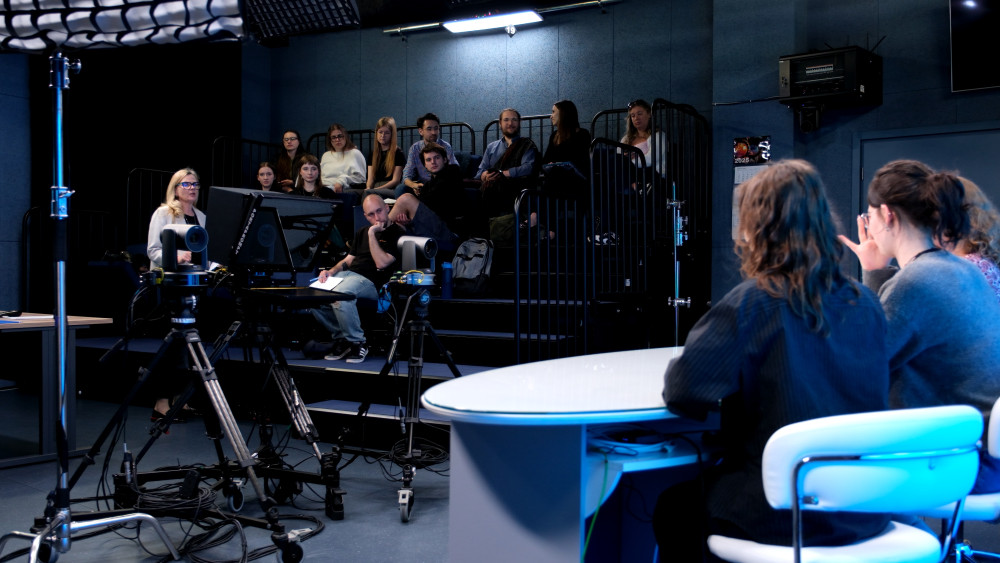
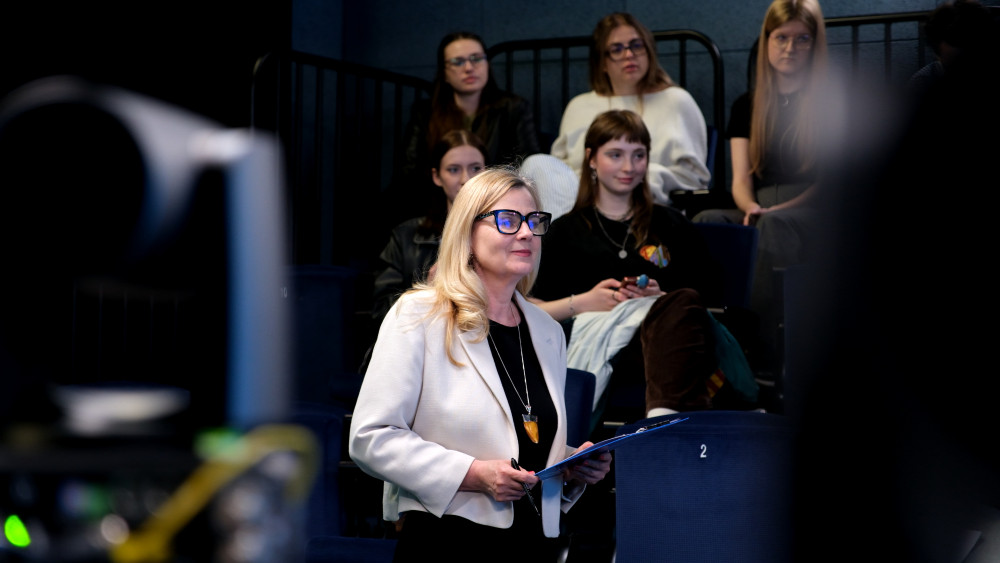
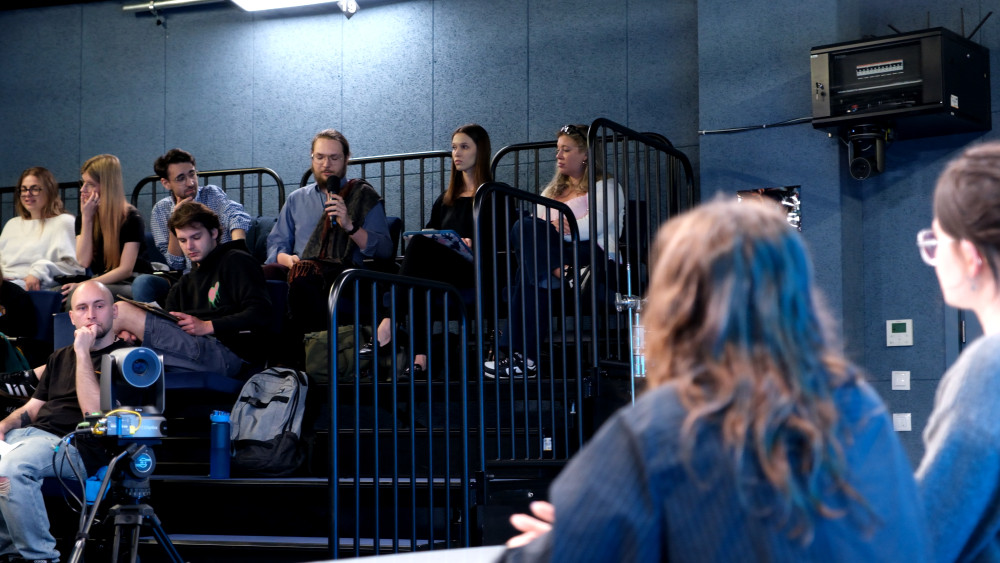
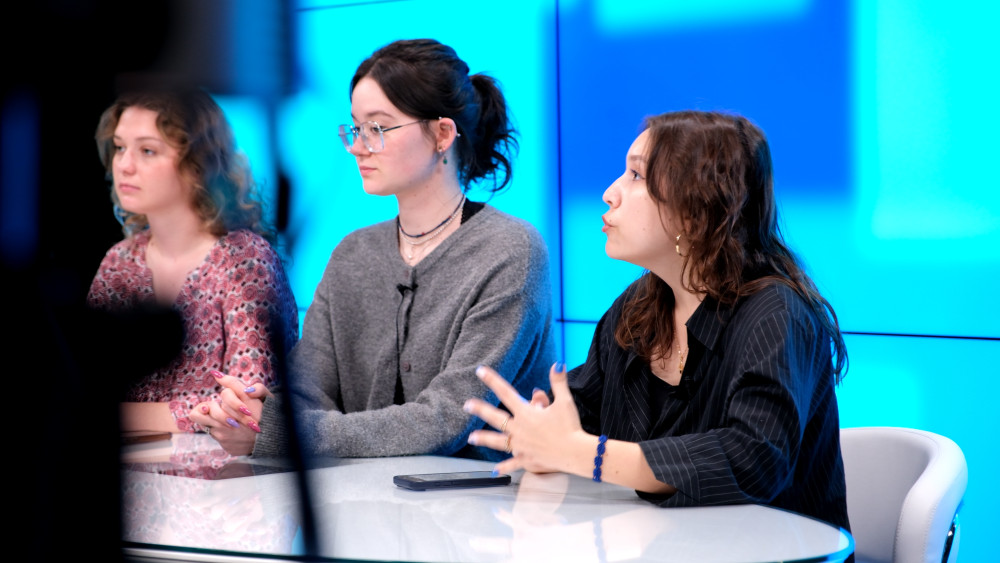
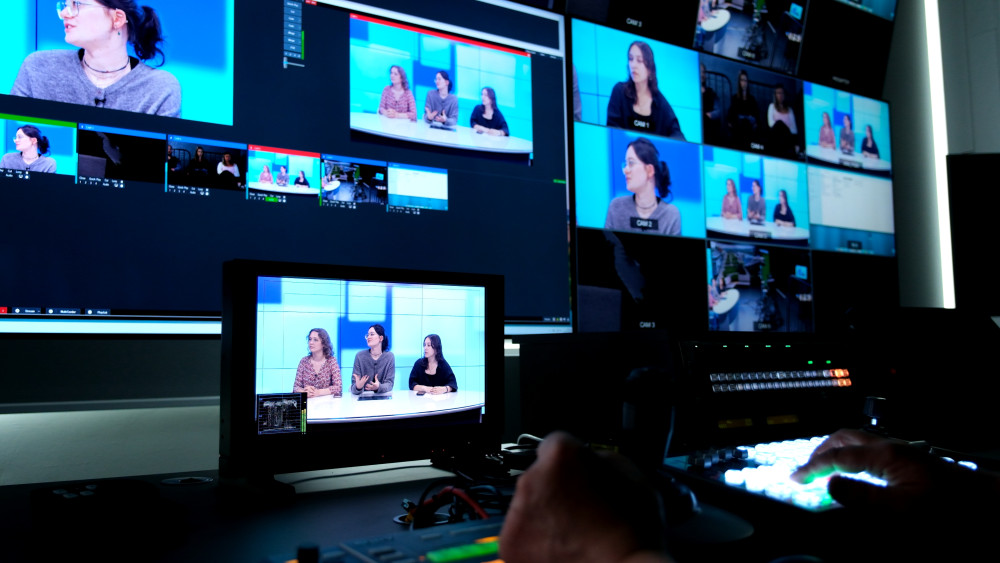
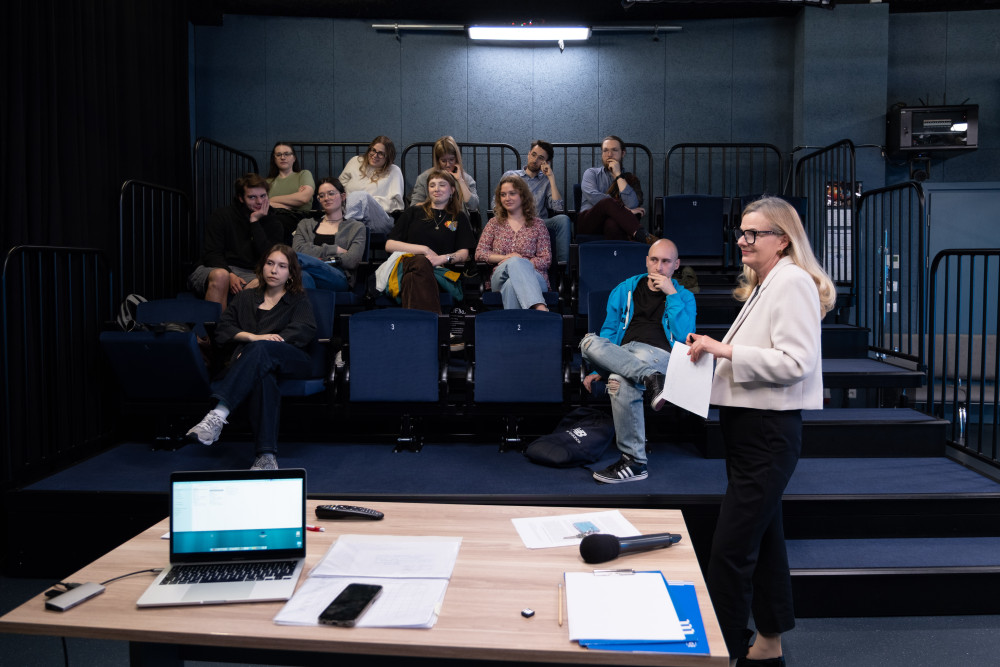
Classes within the SUMED project are conducted mostly using the project-based method. Students work in teams and individually, in line with wellbeing principles and in friendly, professional conditions. Teaching rooms and professional media studios at UG are used for work with students: radio, television and photography studios, and a multimedia lab. During classes, students solve problems, prepare projects, and take part in discussions and simulations of professional situations. Students carry out tasks assigned by the instructor, after prior preparation for their implementation, and receive feedback on their performance. Experts from the media market are invited to the classes. For example, during classes in the 2023/2024 academic year, the special guest was Cyprian Maciejewski, then President of the Management Board of the Polish Public Relations Association, who presented to students the design of a public relations campaign carried out for the city of Gdańsk: Czyste Miasto Gdańsk (Clean City Gdańsk). Workshops for students were also conducted by Bartosz Dembiński, a PR expert working for major Polish and international companies and institutions.
Beata Czechowska-Derkacz, IMDIKS UG
Pilot courses i learning environment pilots - podsumowanie
Attachments - kursy pilotażowe w ramach projektu SUMED
W ramach projektu SUMED – Sustainable multidimensional media contents uczelnie partnerskie oraz lider projektu przygotowali łącznie 18 kursów obejmujących treści zrównoważonego rozwoju w ekosystemie medialnym, przeznaczonych dla studentów kierunków dziennikarskich i okołomedialnych. 11 pilot courses obejmujących wykłady, warsztaty, ćwiczenia oraz 7 learning environment pilots, które zakładają pracę studentów w naturalnym środowisku mediów. Uczestniczyło w nich około 500 studentów. Kursy odbywały się z udziałem ekspertów z rynku medialnego.
Kursy przygotowały wszystkie uczelnie partnerskie: Uniwersytet Gdański (UG), Turku University of Applied Sciences, Turku UAS), Universitat Politecnics De Valencia (UPV), University of Malta (UM) oraz lider projektu – INNOCAMP.pl. Poniższa tabela prezentuje kursy, który zostały przeprowadzone w ramach projektu SUMED.
|
Name |
ORGANISATION |
N Teachers |
N Students |
N working life representatives |
|
Media space - learning environment pilot |
Turku UAS |
2 |
26 |
4 |
|
Podhouse learning environment pilot |
Turku UAS |
2 |
20 |
2 |
|
Responsible media |
Turku UAS |
2 |
16 |
7 |
|
Leading Teams in media |
Turku UAS |
2 |
21 |
0 |
|
Organisational Change in media organisations |
Turku UAS |
|
|
|
|
Sustainability and market -driven journalism - learning environment pilot |
UG |
2 |
10 |
2 |
|
student media - journalistic work in a friendly environment: learning environment pilot |
UG |
4 |
10 |
2 |
|
Tabloids and tabloidizations - pilot course |
UG |
1 |
23 |
0 |
|
Media relations - pilot course |
UG |
1 |
32 |
1 |
|
Project seminar - pilot course |
UG |
1 |
9 |
2 |
|
Public relations - pilot course |
UG |
1 |
21 |
0 |
|
Sustainable media - the working life representatives' perspective |
INNOCAMP |
1 |
22 |
22 |
|
Content House - learning environment pilot |
UM |
1 |
40 |
1 |
|
Videocafe - learning environment pilot |
UM |
1 |
40 |
1 |
|
Video Production – pilot course |
UM |
4 |
44 |
0 |
|
Magazine & Digital Publishing – pilot course |
UM |
1 |
40 |
0 |
|
Learning about sustainability communication with design students |
VPV |
1 |
30 |
|
|
Communication as a cornerstone of museum sustainability |
VPV |
1 |
66 |
|
Źródło: raport Turku UAS: WP4
Uniwersytet Gdański (Instytut Mediów, Dziennikarstwa i Komunikacji Społecznej UG – IMDIKS UG) przygotował ofertę sześciu kursów (cztery pilot courses i dwa learning environment pilots) dla studentów kierunku dziennikarstwo i komunikacja społeczna, obejmujących treści zrównoważonego rozwoju. Prowadzone one były i wciąż są kontynuowane przez członków zespołu projektowego UG: dr Beatę Czechowską-Derkacz oraz dra Dominika Chomika. Do współpracy włączyli się również inni nauczyciele akademiccy Instytutu Mediów, Dziennikarstwa i Komunikacji Społecznej: dr Grzegorz Kapuściński, dr Monika Białek i dr Dominika Rafalska.
Dr Beata Czechowska-Derkacz przygotowała Seminarium projektowe oraz warsztat Media relations (pilot courses). Zajęcia: Studenckie media w przyjaznym środowisku (learning environment pilot), prowadzone były we współpracy dr Moniką Białek i dr Dominiką Rafalską. Jednym z założeń seminarium jest odpowiedzialne podejmowanie przez studentów tematyki ochrony środowiska, tematów ważnych z punktu widzenia rozwoju społecznego, a także etyki dziennikarskiej. Warsztat Media relations, realizowany w ramach bogatego uniwersyteckiego zaplecza studyjnego, służy rozwojowi umiejętności rozwiązywania problemów i realizowania zadań, jakie stają przed specjalistami PR, z naciskiem na dobrostan w pracy i właściwe relacje z otoczeniem medialnym. Kurs: Studenckie media w przyjaznym środowisku, angażował studentów do realizacji zadań praktycznych w mediach i przy medialnej obsłudze konferencji, odbywających się na Uniwersytecie Gdańskim.
Dr Dominik Chomik zrealizował i wciąż kontynuuje dwa kursy: wykład Tabloidy i tabloidyzacje(pilot course) oraz cykl zajęć Zrównoważony rozwój i dziennikarstwo zorientowane na rynek (learning environment pilot). Kursy zorientowane są nie tylko na promowanie treści zrównoważonego rozwoju, ale też kontrolną i aktywizującą funkcję uczelni w tym zakresie. Wykład Tabloidy i tabloidyzacje prezentuje negatywne zjawiska na rynku mediów nastawionych przede wszystkim na zysk i promujących negatywne stereotypy relacji międzyludzkich, a blok zajęć Zrównoważony rozwój i dziennikarstwo zorientowane na rynek służy wymianie doświadczeń studentów po praktykach studenckich w mediach.
Dr Grzegorz Kapuściński przygotował ćwiczenia: Public relations (pilot course), których założeniem jest wykorzystanie działań PR do promowania i sprawozdawania aktywności przedsiębiorstw i instytucji działających zgodnie z ideami zrównoważonego rozwoju.
Warto dodać, że w kolejnych cyklach: rok akademicki 2024/2025 oraz 2025/2026, oprócz omówionych wyżej kursów, do programu studiów na kierunku dziennikarstwo i komunikacja społeczna na Uniwersytecie Gdańskim włączono wykład: Praca rzecznika prasowego. Praktyka, etyka, zrównoważony rozwój. W programie wykładu znajdują się treści zrównoważonego rozwoju w mediach, a przedmiot jest prowadzony w oparciu o doświadczenia zdobyte w czasie realizacji projektu SUMED. Przedmiot prowadzony jest obecnie przez dr Beatę Czechowską-Derkacz.
Zajęcia w ramach projektu SUMED prowadzone są w większości metodą projektową. Studenci pracują w zespołach oraz indywidulanie, zgodnie z zasadami wellbeingu, w przyjaznych i profesjonalnych warunkach. Do pracy ze studentami wykorzystywane są sale dydaktyczne oraz profesjonalne studia medialne UG: studio radiowe, telewizyjne, fotograficzne, pracownia multimedialna. W czasie zajęć studenci rozwiązują problemy, przygotowują projekty, prowadzą dyskusje oraz symulacje sytuacji zawodowych. Studenci wykonują zlecone przez prowadzącego zadania po wcześniejszym przygotowaniu do ich wykonania oraz otrzymują od prowadzących feedback swoich osiągnięć. Na zajęcia zapraszani są eksperci z rynku medialnego. Na przykład w czasie zajęć w roku akademickim 2023/2024 gościem specjalnym był Cyprian Maciejewski, ówczesny prezes zarządu Polskiego Stowarzyszenia Public Relations, który przedstawił studentom projekt zrealizowanej na rzecz miasta Gdańska kampanii public relations: Czyste Miasto Gdańsk. Warsztaty dla studentów poprowadził także Bartosz Dembiński, ekspert PR, pracujący dla największych polskich i zagranicznych firm i instytucji.
Beata Czechowska-Derkacz, IMDIKS UG
Projekt Zrównoważone wielowymiarowe treści medialne – „SUMED”
Dofinansowane w ramach programu ERASMUS+
Akcja kluczowa nr KA220-HED - Współpraca partnerska w szkolnictwie wyższym w ramach umowy o dofinansowanie nr- 2022-1- PL01-KA220-HED-000089133
[Project Sustainable multidimensional media content – "SUMED"
Co-financed under the ERASMUS+ program
Key action no. KA220-HED - Partnership cooperation in higher education under the co-financing agreement no. 2022-1- PL01-KA220-HED-000089133]


Kursy pilotażowe/LEP/materiały edukacyjne - partnerzy projektu
| Załącznik | Size |
|---|---|
| UG - public relations | 355.52 KB |
| UG - LEP - student media | 327.12 KB |
| UG - LEP - sustainability market | 37.28 KB |
| UG - media relations | 327.27 KB |
| UG - project seminar | 342.91 KB |
| UG - tabliods and tabloidizations | 294.16 KB |
| UG - warsztaty medialne w praktyce | 37.48 KB |
| UG - media studeckie | 328.67 KB |
| UG - media relations (POL) | 327.94 KB |
| UG - public relations (POL) | 355.98 KB |
| UG - seminarium projketowe | 343.8 KB |
| UG - tabloidy i tabloidyzacja | 295.09 KB |
| UM - Magazine and Digital Publishing | 197 KB |
| UM - journalism | 241.73 KB |
| UPV - digital humanities | 421.57 KB |
| UG - materiały edukacyjne - media relations | 1.07 MB |
| UG - materiały edukacyjne - tabloidy i tabloidyzacje | 970.96 KB |
| UG - materiały edukacyjne - public relations | 579.46 KB |